Solar Contracts: What to Check Before You Sign
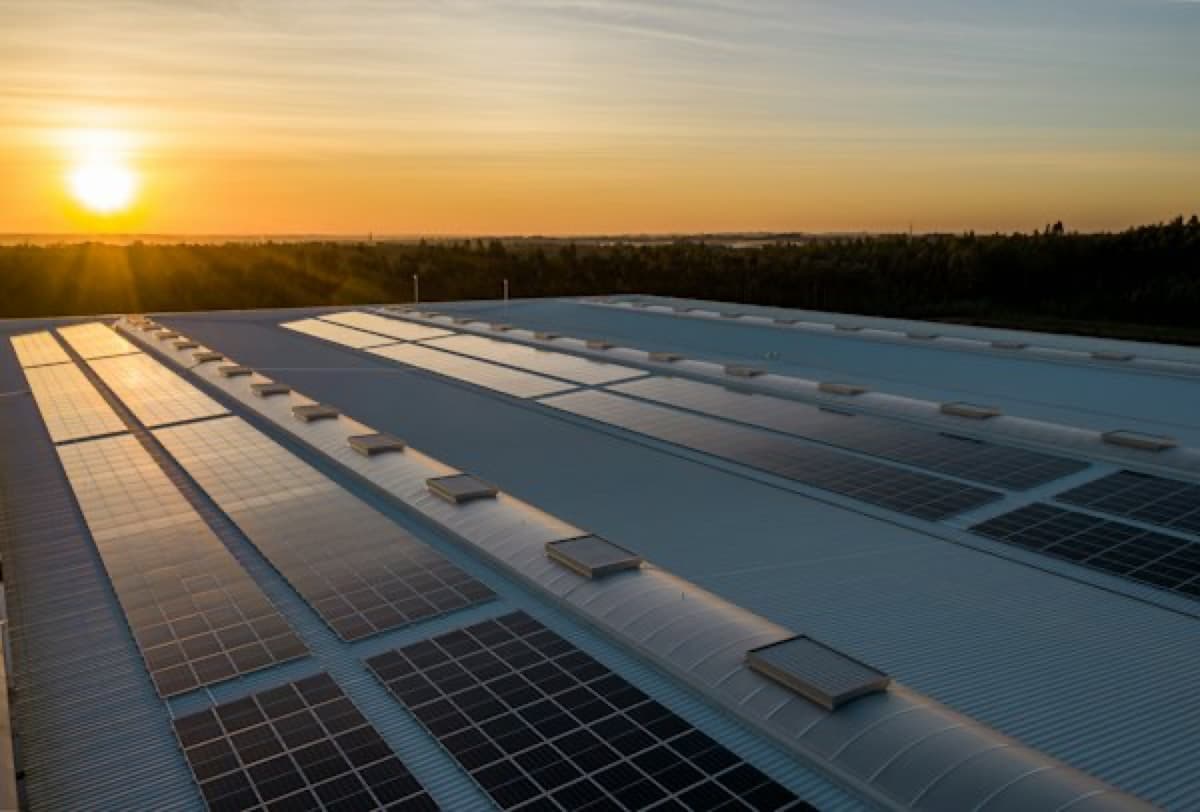
Photo: Unsplash
Key Takeaways
- •Ownership (cash or financed) captures the full tax credit and usually works out better over 25 years than leases or PPAs.
- •Escalator clauses of 2-3% annually can make your solar electricity cost more than the utility by year 25.
- •Always get the buyout schedule in writing before signing any lease or PPA.
- •Federal law gives you a 3-business-day cancellation right for in-home sales.
Watch Out For
- •Same-day signature pressure from sales reps.
- •UCC-1 lien filings that can complicate home sales and refinancing.
- •Verbal promises about zero bills or free roof repairs that aren't in writing.
- •'Government program' claims — the federal ITC is a tax credit, not a grant.
A solar salesperson just left your kitchen table. The proposal looks great: lower electric bills, clean energy, maybe even "no money down." But the contract sitting in front of you is 15 to 25 pages of dense legal language, and the rep is pushing for a signature today.
Slow down. Solar can be a genuinely good investment, but the contract terms determine whether it works for you or for the installer. Here's what to look for.
The Three Types of Solar Agreements
Every residential solar deal falls into one of three categories. They work very differently.
Cash purchase or solar loan. You buy the panels outright (or finance them). You own the equipment from day one. You get the federal tax credit (currently 30% under the Inflation Reduction Act through 2032). You keep all the energy savings. A typical 8 kW system costs $20,000 to $28,000 before the tax credit. After the credit, you're looking at $14,000 to $19,600.
Solar lease. You pay a fixed monthly fee to rent the panels. The solar company owns the equipment, claims the tax credit, and maintains the system. Your monthly lease payment is typically $80 to $180, depending on system size and location.
Power Purchase Agreement (PPA). You don't pay for the panels at all. Instead, you buy the electricity they produce at a set per-kWh rate. The solar company owns everything. Your rate starts lower than your utility rate, which is the whole selling point.
Which one actually benefits you most? Ownership, whether cash or financed. You capture the full tax credit, you build equity, and the math usually works out better over 25 years. Leases and PPAs transfer most of the financial upside to the solar company. They're not scams, but they're structured to benefit the installer first.
The Clauses That Trap Homeowners
Escalator Clauses
This is the single most important number in any lease or PPA contract. An escalator clause increases your payment by a fixed percentage every year, typically 2% to 3%.
Here's the math: a PPA starting at $0.12/kWh with a 2.9% annual escalator hits $0.24/kWh by year 25. If your utility rate doesn't rise as fast (and utility rates have averaged about 2% annually over the past decade), you end up paying more for solar electricity than you would have paid the utility company.
What to do: Demand a contract with 0% escalation, or at most 1%. Some companies offer this. If the rep says escalators are "standard," they're standard because they're profitable for the company, not because they're required.
Transfer and Assignment Clauses
Planning to sell your house before the contract ends? Read this section carefully. Most solar leases and PPAs run 20 to 25 years. When you sell, you have three options, and none of them are simple:
- Transfer the agreement to the buyer. The buyer must qualify financially and agree to take over the contract. Many buyers refuse. Real estate agents report that solar leases complicate approximately 20% of home sales.
- Buy out the contract early. Buyout amounts can run $10,000 to $25,000 depending on remaining term. Some contracts calculate buyout based on "fair market value" determined by the solar company, not an independent appraiser.
- Prepay the remaining lease payments. You pay the full remaining balance, which could be $15,000 or more.
What to do: Before signing, get the buyout schedule in writing. Know exactly what you'd owe in year 5, year 10, and year 15.
Performance Guarantees
A solar system's output depends on panel degradation, weather, shading, and installation quality. Good contracts include a production guarantee: the company promises the system will produce at least a specific number of kWh per year (usually 85% to 90% of projected output), or they compensate you for the shortfall.
What to do: If there's no production guarantee, ask why. If the guarantee is below 85%, push back. Get the guaranteed annual kWh number in writing, not just a percentage.
Equipment Ownership and Liens
With leases and PPAs, the solar company owns the panels on your roof. To protect their asset, many file a UCC-1 financing statement (a type of lien) on your property. This shows up in title searches and can:
- Complicate mortgage refinancing
- Delay or block a home sale
- Create confusion about who owns what during foreclosure proceedings
With a purchased system, you own everything. No lien, no complications.
What to do: Ask directly whether the company will file a UCC fixture filing. If they will, understand the removal process before you sign.
Net Metering: Read the Fine Print
Net metering lets you sell excess solar electricity back to the utility. Your meter runs backward when your panels produce more than you use. But net metering policies vary wildly by state and utility, and they're changing fast.
Key questions for your contract:
- What rate does the utility pay for your excess? Some pay full retail rate. Others pay "avoided cost," which can be 50% to 75% less. California's NEM 3.0, for example, cut export compensation by roughly 75%.
- Does the contract account for rate changes? If your PPA savings are based on current net metering rules, a future policy change could wipe out your financial advantage.
- Is there a system size cap? Many utilities limit residential solar to 100% or 110% of your annual usage.
The Cooling-Off Period
If you signed a solar contract after a door-to-door or in-home sales presentation, federal law gives you a 3-business-day right of rescission under the FTC's Cooling-Off Rule. This applies to sales made at your home, not at a store or trade show.
How to exercise it: Send written notice of cancellation to the company within 3 business days. Use certified mail or hand-deliver with a witness. The company must provide cancellation forms at the time of sale. If they didn't, the cancellation period may extend.
Some states extend this period. California gives you 3 business days by default but extends to midnight of the 5th business day for certain solar transactions.
Red Flags in the Sales Process
Walk away if you encounter any of these:
- Same-day pressure. "This price expires today" or "We only have two install slots left this month." Legitimate solar companies don't operate on artificial scarcity.
- Verbal promises not in writing. "We'll cover the roof repair" or "Your bill will definitely be zero." If it's not in the contract, it doesn't exist.
- "Government program" language. There is no government solar program that gives you free panels. The federal investment tax credit is a tax credit, not a grant, and it goes to the system owner (which isn't you in a lease or PPA).
- No site assessment. Any company that quotes a price without evaluating your roof condition, orientation, shading, and electrical panel is guessing.
- Subcontractor opacity. Ask who actually installs the system. Many solar companies are sales organizations that subcontract installation. Know who's on your roof.
Your Pre-Signature Checklist
Before you sign any solar contract, verify these eight items:
- Total cost over the full contract term, including escalators, not just year-one savings
- Who owns the equipment and whether a UCC lien will be filed
- The annual production guarantee in specific kWh, with the remedy if they fall short
- The buyout schedule at years 5, 10, 15, and 20
- Transfer requirements if you sell your home, including buyer qualification criteria
- Your current net metering policy and whether the contract accounts for potential changes
- The installer's license number and proof of insurance (verify with your state's contractor licensing board)
- The cancellation window and exactly how to exercise it
Bottom Line
Solar is real technology with real savings potential, but only under the right contract terms. Ownership beats leasing for most homeowners who can afford it or qualify for financing. If you go the lease or PPA route, the escalator clause and transfer terms are where companies make their money at your expense. Read every page. Take the contract home overnight. Run the 25-year math yourself. A good deal will still be a good deal tomorrow.
Affiliate Disclosure: Some links in this article may be affiliate links. If you click through and make a purchase or sign up for a service, we may earn a commission at no additional cost to you. This does not influence our editorial recommendations. Read our full affiliate disclosure.
The Consumer Clarity Editorial Team
Our editorial team researches consumer topics independently, analyzing contracts, complaints, and industry data. We accept no sponsored placements and disclose all affiliate relationships. Every guide is reviewed for accuracy before publication.
Related Articles

Solar Financing Traps Every Homeowner Should Know
Dealer fees, 0% APR illusions, and the math they don't show you.

How to Dispute a Bad Solar Installation
Document, escalate, and get your money back when your solar install goes wrong.

The 7 Most Common Solar Scams in 2026
Door-to-door pressure tactics, fake government programs, and predatory PPAs.