
Van Insurance for Tradespeople: Social, Business and Carriage of Goods
In this article
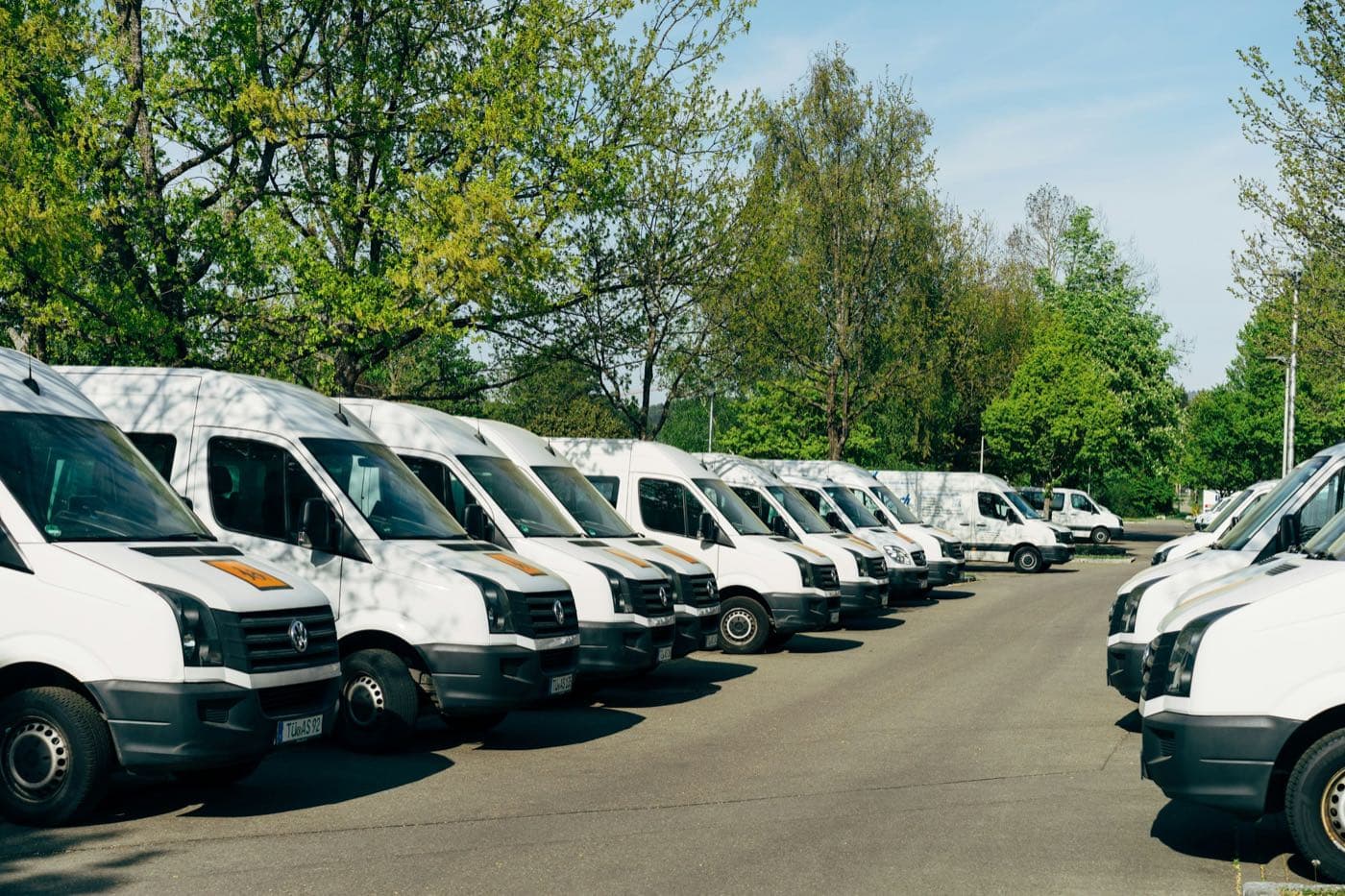
Photo: Markus Winkler / Unsplash
Key Takeaways
- The class of use on your van policy must match how the van is really used: social only, business use for your own trade, or carriage of other people's goods for payment.
- Carrying your own tools and materials to jobs is normally business use; delivering other people's goods for a fee is a different class that must be declared.
- Tools left in the van are usually not covered by the motor policy itself, and the extras that cover them often carry strict overnight and locking conditions.
- If you let an employee or a friend drive the van, you can commit an offence yourself if their driving is not insured.
Watch Out For
- Declaring social use to save money when the van goes to jobs, which can give the insurer grounds to refuse or reduce a claim.
- Overnight exclusions on tools cover unless the van is locked, garaged or the tools are removed.
- Assuming a named driver can use the van for business when the policy restricts business use to the policyholder.
- Adding racking, a tow bar or signwriting without telling the insurer.
For a plumber, electrician, joiner or decorator, the van is a mobile workshop, a stores cupboard and the only way to reach the job. That makes van insurance different from insuring a family car. The price and, more importantly, the validity of the cover depend on how the van is used, what it carries and who drives it. This guide explains the choices a tradesperson faces and where the common mistakes lie. For the basics that apply to any vehicle, see our guide to car insurance.
The Legal Minimum
GOV.UK explains that you must have motor insurance to drive your vehicle on UK roads, that third party insurance is the legal minimum, and that it does not cover repairs to your own vehicle. For a working van, third party only is rarely enough: if the van is written off, you lose both the vehicle and the income it supports. Most tradespeople choose third party, fire and theft or comprehensive cover.
The penalties for getting it wrong are significant. The police could give you a fixed penalty of £300 and 6 penalty points if you are caught driving a vehicle you are not insured to drive, and a court can impose an unlimited fine and disqualify you from driving. GOV.UK adds that even if the vehicle itself is insured, you could be penalised if you are not correctly insured to drive it, which is why the class of use matters as much as having a policy at all.
The van also needs insurance when it is parked. Under continuous insurance enforcement, a vehicle must be insured unless it is declared off the road with a SORN, and the registered keeper of an uninsured vehicle could be fined £100, have the vehicle clamped, impounded or destroyed, or face a court fine of up to £1,000. If you take a van off the road over winter or between contracts, declare it properly rather than letting the policy lapse.
Classes of Use Explained
Every van policy states the purposes the van may be used for. Insurers use slightly different wording, but the categories below are the standard building blocks. Pick the one that matches your real use, not the cheapest.
| Typical use | What it usually does not include | |
|---|---|---|
| Social, domestic and pleasure | Personal trips, shopping, moving your own belongings | Commuting and any work use |
| Social plus commuting | Personal trips and travel to a single, regular place of work | Driving between jobs or clients |
| Business use (own goods) | Carrying your own tools and materials to different jobs and sites | Carrying other people's goods for a fee |
| Carriage of goods for hire and reward | Couriers, delivery drivers and anyone paid to move goods belonging to others | Goods in transit cover, which is usually a separate policy |
| Haulage | Longer-distance or heavier transport of goods for others | Vehicles that need an operator's licence unless one is held |
Business use for your own goods is the category that fits most tradespeople: you carry your own kit to jobs and bill for the work, not for the transport. A kitchen fitter who collects units from a supplier to install is usually in this category too, because the delivery is part of the job rather than a separate transport service. If you are unsure, describe what you do in plain terms and ask the insurer or broker to confirm the class in writing.
Misdescribing use is a disclosure problem, not just a pricing one. For non-consumer insurance, section 3 of the Insurance Act 2015 requires a fair presentation of the risk, in which every material representation as to a matter of fact is substantially correct. A van insured in the name of a trading business is likely to fall into that category. Modifications such as roof racks, internal racking or a tow bar are usually material facts too.
Carriage of Goods for Hire and Reward
The moment you are paid to move something that belongs to someone else, you have moved into hire and reward territory. Tradespeople drift into this more often than they realise: a builder who does a paid house clearance run, or an electrician who takes on weekend parcel deliveries with the same van, needs the policy to say so.
Hire and reward van cover protects the vehicle and your liability to other road users. It does not normally cover the goods you carry. For that you need goods in transit insurance, which pays if a customer's goods are lost, stolen or damaged while in your care. Check its limit per load and per item, and whether it requires the van to be attended or alarmed.
Weight can bring extra rules. GOV.UK states that you need a goods vehicle operator's licence to carry goods in a lorry, van or other vehicle with a gross plated weight of over 3,500 kilograms, or an unladen weight of more than 1,525 kilograms where there is no plated weight. The rules differ for vehicle and trailer combinations and for work in Europe, so check the GOV.UK guidance if you tow or move up to a larger van.
Tools and Van Contents
Tool theft from vans is a familiar worry for tradespeople, and it is the area where cover is most often misunderstood. A standard van policy insures the vehicle; it usually provides little or no cover for the tools inside. Protection comes from one of three places: a tools extension on the van policy, a tools section on a trade business policy, or a separate tools policy.
Whichever you use, look closely at three conditions. First, the overnight rule: many policies exclude theft from an unattended van overnight unless it is in a locked garage, or pay only if the tools are removed. Second, evidence of forcible entry: some policies pay only if there is visible damage to the van. Third, the single-item limit, which can leave an expensive tool underinsured. Keep receipts, serial numbers and photographs of your kit, because they make any claim far easier to prove.
Van cover also does not deal with the harm your work can cause. Damage to a client's property or injury to a member of the public during a job falls under public liability, which is explained in our guide to public liability vs employers' liability.
Drivers and Employees
Who drives the van matters as much as how it is used. The law puts a duty on the person who allows someone else to drive, not only on the driver. Section 143 of the Road Traffic Act 1988 makes it an offence to cause or permit any other person to use a motor vehicle on a road or other public place unless there is a policy of insurance in force covering that person's use. If you lend the van to an apprentice or a subcontractor who is not covered, you can be prosecuted as well as them.
Policies handle other drivers in several ways: named drivers only, any driver over a stated age, or any employee. Check whether business use extends to named drivers, because some policies restrict it to the policyholder. If you run several vans, a small fleet policy may be simpler than insuring each one separately.
Employing a driver or a mate also brings employers' liability obligations that sit alongside the van cover. The wider picture for sole traders and small companies is in our guide to business insurance.
Bottom Line
Choose the class of use that reflects what the van really does: for most tradespeople that is business use for their own goods, and for anyone paid to move other people's goods it is hire and reward with separate goods in transit cover. Treat tools cover as its own decision and read the overnight conditions before you rely on it. Make sure everyone who drives the van is covered for the way they use it, declare modifications, and keep the van insured or formally declared off the road at all times.
Frequently asked questions
What class of use do I need on my van insurance as a tradesperson?
For most tradespeople it is business use for your own goods, which covers carrying your own tools and materials to different jobs. Pick the class that matches how the van is really used, not the cheapest one.
What is carriage of goods for hire and reward van insurance?
It is the class of use needed as soon as you are paid to move goods belonging to someone else, such as courier work or paid clearance runs. It does not normally cover the goods themselves, which need separate goods in transit insurance.
Are tools left in my van covered by van insurance?
A standard van policy usually provides little or no cover for the tools inside. Cover comes from a tools extension, a trade business policy or a separate tools policy, and many exclude overnight theft unless strict locking or garaging conditions are met.
Can I get in trouble if someone else drives my van uninsured?
Yes. The Road Traffic Act makes it an offence to cause or permit another person to use a vehicle on the road without insurance covering their use, so you can be prosecuted as well as the driver. Check whether business use extends to named drivers.
Do I need to tell my insurer about racking or a tow bar on my van?
Yes. Modifications such as roof racks, internal racking or a tow bar are usually material facts. For business policies you must make a fair presentation of the risk, and misdescribing the van or its use can give the insurer grounds to refuse or reduce a claim.
Sources
- legislation.gov.uk — Road Traffic Act 1988, section 143
legislation.gov.uk
- legislation.gov.uk — Insurance Act 2015, section 3
legislation.gov.uk
Affiliate Disclosure: Some links in this article may be affiliate links. If you click through and make a purchase or sign up for a service, we may earn a commission at no additional cost to you. This does not influence our editorial recommendations. Read our full affiliate disclosure.
The Consumer Clarity Editorial Team
Our editorial team researches consumer topics independently, analyzing contracts, complaints, and industry data. We accept no sponsored placements and disclose all affiliate relationships. Every guide is reviewed for accuracy before publication.
Our Methodology